
 Send Inquiry
Chemical Tank Receiver
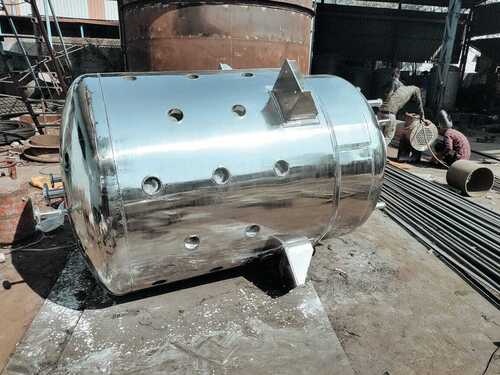

Chemical Tank Receiver Specification
- Condition
- New
- Power
- 2-5 HP Horsepower (HP)
- Capacity
- 500-5000 Liters (customizable) Ltr
- Weight (kg)
- Approx. 250-1200 Kilograms (kg)
- Automatic
- Yes
- Mixer Type
- Agitator
- Voltage
- 220/380 V Volt (v)
- Color
- Silver (SS Finish)
- Mounting Type
- Vertical
- Inlet/Outlet Connection
- Flanged or Threaded
- Application
- Storage and processing of chemicals, liquids
- Manhole
- Provided with Cover
- Design Pressure
- Up to 10 Bar
- Temperature Range
- Up to 120°C
- Level Indicator
- Optional
- Wall Thickness
- 3-8 mm
- Surface Treatment
- Polished
Chemical Tank Receiver Trade Information
- Minimum Order Quantity
- 1 Number
- FOB Port
- hajira,porbandar
- Supply Ability
- 10 Per Week
- Delivery Time
- 10 Days
- Packaging Details
- as per product
About Chemical Tank Receiver
A chemical tank receiver is a specific type of vessel or container used in industrial settings to receive store and possibly distribute chemicals Here are some key aspects and considerations
Purpose and Function
1 Storage The primary function of a chemical tank receiver is to store chemicals safely until they are needed for use in industrial processes or other applications
2 Temporary Holding In some cases chemical tank receivers may temporarily hold chemicals before they are transferred to another part of the production process or distributed to other tanks or vessels
3 Distribution Depending on the setup chemical tank receivers may also distribute chemicals to other parts of the facility or to different stages of the production line
Design and Features
1 Material Compatibility Chemical tank receivers are constructed from materials that are compatible with the specific chemicals they will contain This ensures safety and prevents reactions that could compromise the integrity of the tank
2 Capacity They come in various sizes and capacities to accommodate different volumes of chemicals based on the production needs of the facility
3 Safety Measures These tanks are equipped with safety features such as pressure relief valves vents level indicators and possibly secondary containment systems to prevent spills and leaks
4 Accessories and Integration They may include accessories like agitators for mixing heating or cooling jackets to control temperature and instrumentation for monitoring levels and conditions inside the tank
5 Regulatory Compliance Chemical tank receivers must adhere to strict regulatory standards and guidelines regarding safety environmental protection and chemical handling practices
Industrial Applications
1 Chemical Manufacturing Used in chemical manufacturing plants to receive raw materials intermediates or final products
2 Refineries Found in refineries to receive and store various petroleumbased products and chemicals
3 Pharmaceuticals Used in pharmaceutical manufacturing for storing bulk chemicals used in drug production
4 Food and Beverage In some cases used in food and beverage processing plants for storing foodgrade chemicals and ingredients
Maintenance and Operation
1 Cleaning Regular cleaning and maintenance are essential to prevent contamination and ensure the longevity of the tank
2 Inspection Periodic inspections are conducted to check for signs of wear corrosion or other damage that could compromise safety
3 Operational Procedures Operators follow specific procedures for filling emptying and maintaining chemical tank receivers to ensure safe handling and operation
In summary a chemical tank receiver is a critical component in industrial operations where the safe storage and handling of chemicals are essential They are designed with safety efficiency and regulatory compliance in mind to support various manufacturing processes effectively
Engineered for Industrial Excellence
Built for the rigorous demands of industrial environments, our chemical tank receiver ensures safety and reliability in storing and processing various chemicals and liquids. Its stainless steel construction and advanced design stand up to high temperatures and pressures, making it a trusted choice for distribution, manufacturing, or process applications across India.
Versatile Features and Customization
The tanks design accommodates multiple connection types, adjustable wall thickness, and custom dimensions. The optional level indicator, agitator mixer, and PLC control offer operational flexibility, while the silver polished stainless steel finish guarantees both aesthetics and longevity. Whether for large-scale or smaller operations, this receiver adapts to your needs.
FAQs of Chemical Tank Receiver:
Q: How can the capacity of the Chemical Tank Receiver be tailored to specific operational requirements?
A: The tanks capacity ranges from 500 to 5000 liters, and it can be customized to fit unique storage or processing needs. Manufacturers work closely with customers to determine the appropriate size and integrated features according to application specifications.Q: What surface treatments and materials are used to enhance durability and corrosion resistance?
A: The tank is fabricated from SS304 or SS316 stainless steel with a polished surface finish, ensuring both corrosion resistance and long-term durability in challenging industrial atmospheres, particularly where chemical contact is frequent.Q: When is a level indicator recommended for these tanks?
A: A level indicator is recommended when precise monitoring of liquid volumes is necessary for process control or safety. It is available as an optional feature and can be integrated based on user requirements.Q: Where can this Chemical Tank Receiver be installed and who benefits from its use?
A: This tank is suitable for installation in industrial plants, chemical manufacturing units, and process industries across India. Distributors, manufacturers, service providers, suppliers, and traders frequently benefit from its versatile functionality and robust build.Q: What is the advantage of the vertical mounting type for this model?
A: A vertical mounting configuration optimizes floor space, promotes uniform mixing with the agitator, and simplifies maintenance and inspection, particularly where multiple tanks are installed or space is limited.Q: How does the automatic operation and available PLC control contribute to the tanks process efficiency?
A: Automatic operation allows consistent mixing, processing, and transfer, while PLC control (available on request) provides programmable automation and customization of processes, enhancing both safety and productivity.Q: What safety and operational benefits are provided by the manhole and robust wall thickness?
A: The manhole with cover allows safe access for cleaning or inspection, while wall thickness (ranging from 3 to 8 mm) ensures structural integrity, leak-resistance, and compliance with high-pressure and temperature usage.Tell us about your requirement

Price:
Quantity
Select Unit
- 50
- 100
- 200
- 250
- 500
- 1000+
Additional detail
Mobile number
Email

More Products in Chemical MachineryEquipment Category


SOS ENGINEERING WORKS
All Rights Reserved.(Terms of Use)
Developed and Managed by Infocom Network Private Limited.
Developed and Managed by Infocom Network Private Limited.

